On January 7, 2026, Suno, the world's leading AI music generation platform, announced a major policy adjustment plan for the platform in 2026 after reaching a historic cooperation with Warner Music Group. This series of changes involves commercial licensing mechanisms, content copyright ownership, and payment model reconstruction, marking the transition of the AI music industry from unbridled growth to a standardized development track.
The root cause of this policy adjustment lies in the groundbreaking agreement reached between Suno and Warner Music Group in November 2025. This collaboration not only brought an end to the copyright litigation between the two parties, but also established the industry's first comprehensive AI music licensing cooperation framework. Warner Music Group CEO Robert Kyncl hailed this agreement as a "victory for the creative community", emphasizing its milestone significance in protecting artists' rights, expanding revenue channels, and creating new fan experiences
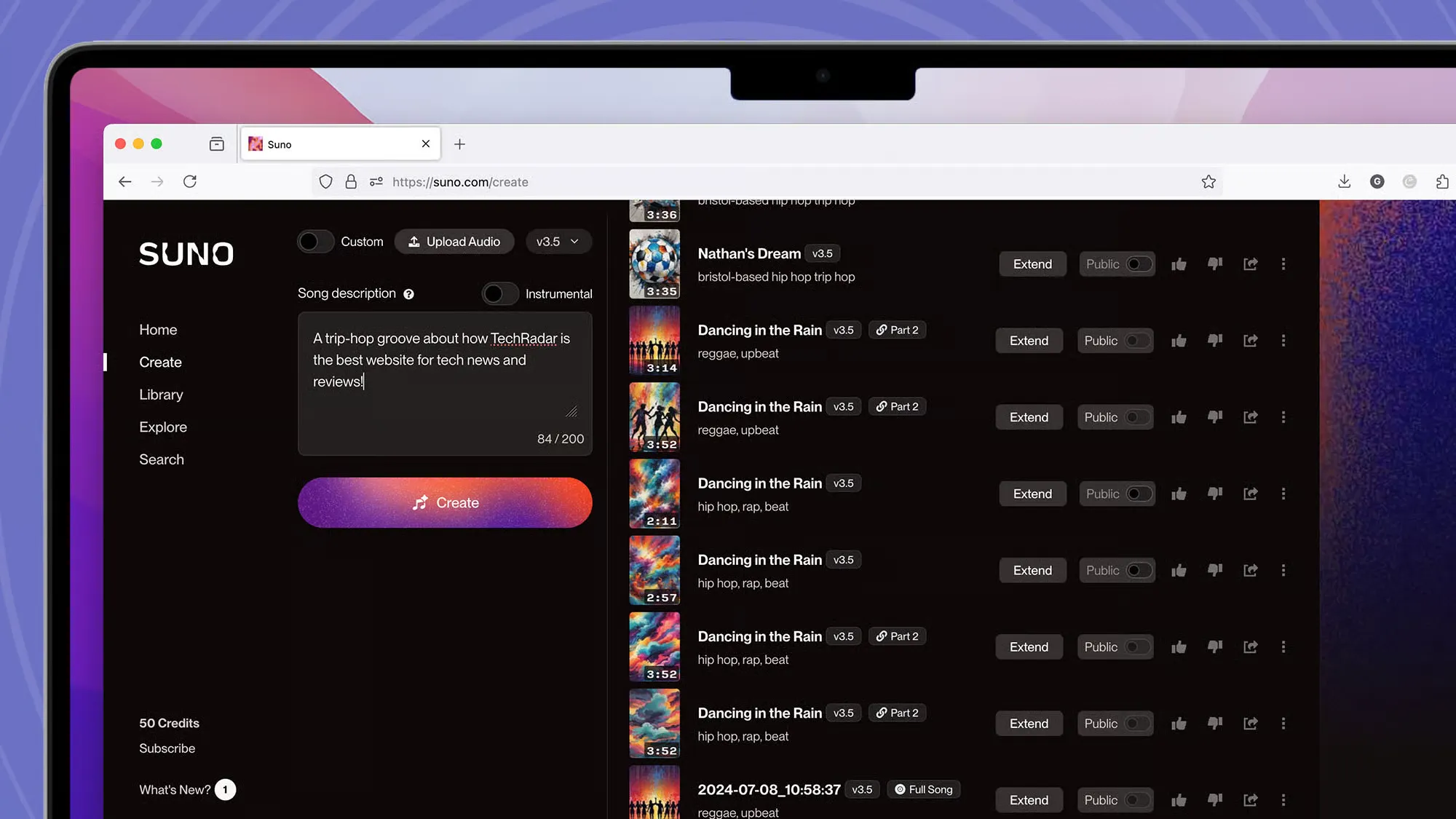
According to the agreement, Suno will launch a brand-new licensed AI model in 2026, trained using officially licensed high-quality music data. This shift completely eliminates the previous legal gray area where the source of training data was unclear, laying the foundation for the platform's long-term sustainable development. It is noteworthy that after the new model goes online, the existing version will be completely discontinued, and all users will be uniformly migrated to the licensing system.
In terms of commercial usage rules, Suno clearly delineates the permission boundaries between free and paid accounts. From 2026 onwards, works generated through the free plan will be restricted to personal non-commercial use, and users will not be able to engage in any form of monetization. Even if they subsequently upgrade to a paid subscription, the generated content will not retroactively obtain commercial authorization, unless the platform grants special permission for specific works.
In contrast, paid subscribers (Pro or Premier plans) will automatically obtain a commercial usage license when generating content. This means that users can apply their works to various commercial scenarios such as film and TV soundtracks, streaming media distribution, and permanent download sales, without Suno sharing any revenue from it. This policy design not only ensures the platform's licensing compliance but also provides a clear commercialization path for professional creators.
A more noteworthy change lies in the redefinition of content copyright ownership. In the policy version of November 2025, Suno explicitly stated, "If you create songs during your subscription to the Pro or Premier plan, you own the rights to these songs." However, in the latest update in December, this statement has been revised to: "Even if you obtain commercial usage rights, you are generally not considered the owner of the song, as the output content is generated by Suno."
The platform further explained, "Suno bears the ultimate responsibility for the output content itself, even though you helped guide its generation process." This policy shift implies that even if paying users possess the commercialization rights of the work, from the perspective of "ownership" in the sense of copyright law, the platform retains a higher level of claim. This adjustment may have a profound impact on the long-term interests of content creators, especially in terms of the distribution of benefits when the work generates significant commercial value.
In terms of content acquisition methods, Suno will comprehensively tighten download permissions. Starting from 2026, all audio download functions will be exclusively accessible to paid users. Works generated by free accounts can only be played and shared online and cannot be saved locally. Even for paid subscribers, monthly downloads will be subject to additional restrictions, and those exceeding the quota will need to pay separately for additional downloads.

This strategy clearly draws inspiration from the operational model of streaming music platforms, reinforcing users' dependence on the platform by restricting offline content access, while also creating more diversified revenue sources for Suno. For self-media personalities and independent producers who rely on AI music for content creation, this means a substantial increase in usage costs.
In addition to core business adjustments, Suno also acquired Songkick, a platform specializing in live performance discovery, from Warner Music in this collaboration. This strategic acquisition demonstrates Suno's ambition to build a complete closed-loop music ecosystem, connecting multiple key links in the music industry, from AI creation tools to content distribution channels, and then to offline performance connections.
Mikey Shulman, CEO of Suno, stated that the collaboration with Warner Music will "unlock a richer Suno experience" and build the world's largest music ecosystem through interactive collaboration opportunities with top musicians. Both parties emphasized that artists and songwriters will have full control over how their names, images, voices, and works are used in AI generation, and all participation is based on a voluntary selection mechanism.
Suno's policy transformation is regarded as a landmark event marking the maturity of the AI music industry. With Warner Music taking the lead in establishing a licensing cooperation framework, the litigation trends of other record giants such as Universal Music and Sony Music against AI platforms have also garnered significant attention. The industry anticipates that 2026 will be a pivotal year for the restructuring of AI music business models, with more similar licensing agreements likely to be reached in succession.
For the platform's existing 100 million users, this shift signifies the end of the "era of free creation". The future AI music ecosystem will place greater emphasis on professionalization, commercialization, and compliance. While the creative freedom of ordinary users may be restricted, professional creators will enjoy clearer rights protection and monetization channels. Whether Suno's collaboration with Warner Music can become an industry blueprint remains to be tested by the market.